Pest Control Services for Termites: Early Detection and Prevention
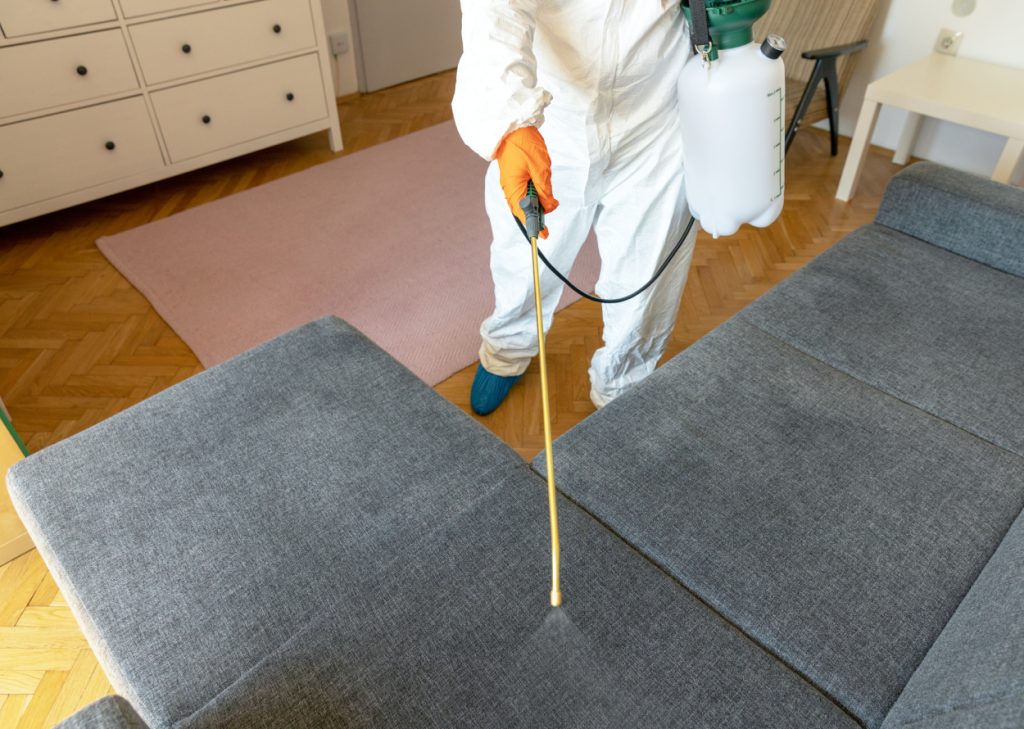
Termites rarely announce themselves in dramatic fashion. Most infestations begin quietly, behind drywall, under flooring, inside crawl spaces, or along foundation walls where no one looks until damage has already spread. By the time a homeowner notices a warped baseboard, a blistered patch of paint, or a door frame that sounds hollow when tapped, the colony may have been feeding for months or even years.
That is what makes termite work different from many other branches of pest management. With ants, roaches, or rodents, people usually react to a visible problem. With termites, the job is often about reading subtle clues, understanding moisture and construction patterns, and catching activity before repair bills climb into the thousands. Good Pest Control Services do far more than spray a perimeter and leave. They inspect, interpret conditions, recommend practical corrections, and build a defense that fits the structure.
Why termites cause such expensive damage
Termites feed on cellulose, which means they target wood and other plant-based materials found throughout a home. Structural framing, subfloors, trim, window sills, support beams, paper-faced drywall, and even cardboard stored in damp areas can become food sources. Subterranean termites are especially destructive because they work from the soil upward, protected inside mud tubes that help them retain moisture while traveling.
The reason repair costs can escalate so quickly is simple. Termites do not need to destroy an entire board to weaken it. They often consume wood from the inside out, leaving a thin exterior layer that looks sound until pressure reveals the damage. I have seen porch posts that appeared intact from a few feet away but could be punctured with a screwdriver. I have also seen floor systems where only a small patch of discoloration showed at the surface while joists beneath had sustained broad feeding damage.
Insurance usually does not cover termite damage because it is considered preventable maintenance, not a sudden accident. That puts the burden squarely on property owners to detect risk early and act before the infestation matures.
The difference between termite types matters
When people say "termites," they often imagine one generic pest. In practice, treatment strategy depends heavily on the species involved. In many regions, subterranean termites are the main concern. They nest in the soil and require moisture, which is why contact points between earth and wood are so risky. Their colonies can be large, and their foraging tubes may extend a considerable distance from the nest.
Drywood termites behave differently. They infest dry, sound wood and do not need soil contact. In homes where drywood termites are common, professionals look for tiny kick-out holes and small piles of pellet-like frass. Dampwood termites, less common in many residential settings, favor wood with high moisture content and often indicate an underlying water problem.
A technician who treats every termite issue the same way is already behind. Species identification shapes everything from inspection method to treatment scope to long-term prevention.
Early warning signs most homeowners miss
The obvious signs are not always the first signs. A trained eye often notices environmental conditions before visible damage appears. Excess moisture around the foundation, mulch piled too high against siding, sprinkler heads soaking exterior walls, and poor crawl-space ventilation can all create ideal conditions for termites.
Homeowners tend to notice symptoms only after the insects have already established activity. The most common clues include:
- Mud tubes along foundation walls, piers, support posts, or crawl-space surfaces.
- Soft, blistered, or hollow-sounding wood, especially near windows, doors, and baseboards.
- Swarms of winged termites indoors or around exterior lights, often seasonally.
- Discarded wings on window sills, floors, or spider webs near entry points.
- Doors or windows that suddenly fit poorly because damaged wood has shifted or swollen.
Each sign needs context. Swarming alone does not always mean the colony is deep inside the home, but it does mean termites are nearby and active enough to reproduce. A mud tube may be old or inactive, yet it still tells you conditions were favorable at some point. That is why a full inspection matters more than reacting to a single clue in isolation.
Where infestations usually start
Termites exploit weak points in a building envelope. In my experience, the highest-risk areas are not glamorous. They are the places people ignore because they are inconvenient, dimly lit, or rarely visited. Crawl spaces are a classic example. If a crawl space has standing moisture, wood debris, poor drainage, or plumbing leaks, it becomes a prime environment for termite activity. Attached decks create another trouble spot, especially where posts are set close to the house or ledger boards trap moisture.
Garages can also be overlooked. Expansion joints, slab cracks, stored lumber, and cardboard boxes placed against walls create favorable conditions. Utility penetrations are another common pathway. Where pipes and conduits enter through slabs or foundation walls, small gaps can provide concealed access.
Older homes often present additional vulnerabilities because building practices were different when they were constructed. Direct wood-to-soil contact, insufficient clearance between siding and grade, and untreated repairs added over decades all increase exposure. Newer homes are not immune, though. Landscaping changes, clogged gutters, and neglected drainage can turn a well-built structure into a termite target within a few seasons.
What a professional termite inspection actually involves
A proper termite inspection is not a quick walkaround. It should include both interior and exterior evaluation, with attention to structural elements, moisture conditions, and evidence of current or previous infestation. The inspector looks for activity, damage, entry points, and conditions conducive to future problems.
Inside, that means checking baseboards, window trim, door casings, garages, attics where accessible, utility rooms, and any areas showing staining or unexplained warping. In crawl spaces or basements, the technician examines sill plates, joists, subflooring, piers, and plumbing areas. Outside, the inspection should cover the foundation, grading, expansion joints, porch attachments, fence lines near the structure, tree stumps, wood piles, and landscaping that touches the home.
Moisture meters, probing tools, and strong lighting often reveal what the naked eye would miss. Experience matters here. A seasoned termite professional learns to distinguish water damage from termite galleries, carpenter ant activity from subterranean feeding, and cosmetic wood aging from active deterioration. That judgment is one of the real values behind high-quality Pest Control Services. The service is not just treatment, it is interpretation.
Why DIY termite treatment so often falls short
There is a reason termite treatment remains one of the least forgiving forms of DIY pest work. Surface sprays may kill visible insects, but they rarely address the colony or the hidden access routes. Termites operate in protected spaces, and if the treatment does not intercept their movement or reach the infestation effectively, the activity continues out of sight.
Store-bought foams and spot applications can have a role in limited, specific circumstances, especially for localized drywood activity, but they are not a substitute for a full treatment plan when subterranean termites are involved. Soil-applied termiticides require precise placement, proper trenching or drilling, and label-compliant application rates. Baiting systems require correct installation, monitoring, and patience. Miss a section of foundation, fail to account for a slab addition, or ignore a hidden moisture source, and the problem can persist.
DIY attempts also tend to delay professional intervention. By the time the homeowner realizes the treatment did not solve the issue, the termites have had more time to spread.
The main treatment approaches and how professionals choose between them
Termite control is not one-size-fits-all. Good providers match the method to the construction type, infestation pattern, and property conditions.
Liquid soil treatments are a common solution for subterranean termites. A nonrepellent termiticide is applied to the soil around the structure, creating a treated zone termites pass through without detecting it. Because they do not avoid the material, they can transfer it within the colony. This method can be highly effective, especially when applied thoroughly around foundations, piers, and critical entry points. The challenge is access. Patios, finished basements, slab additions, and complex hardscaping can complicate complete coverage.
Baiting systems work differently. Stations installed in the ground around the property attract foraging termites, which feed on bait and carry it back to the colony. Baiting can be a strong choice where liquid treatment is impractical or where ongoing monitoring is a priority. It Take a look at the site here is also appealing to homeowners who prefer a lower-volume chemical approach around the structure. The trade-off is timing. Baits generally work more gradually and depend on termite discovery of the stations.
Localized wood treatments may be used where activity is confined and accessible. Borate applications, for example, can help protect raw wood in certain settings, particularly during construction, renovation, or in crawl spaces where framing is exposed. For drywood infestations, spot treatment or whole-structure methods may be considered depending on extent.
The best companies often combine methods. A structure with active subterranean termites, persistent moisture at the rear foundation, and inaccessible slab sections may benefit from targeted liquid work, bait stations, and corrective moisture recommendations all at once.
Prevention starts with moisture control
If I had to name one condition that repeatedly turns a manageable property into a termite problem, it would be unmanaged moisture. Termites thrive where dampness persists, and wet wood softens defenses further by encouraging decay fungi and making structural materials more vulnerable.
You do not need a catastrophic leak to create termite-friendly conditions. A slowly dripping hose bib, an air-conditioning condensate line that discharges too close to the foundation, or clogged gutters that overflow against fascia and siding can be enough over time. In crawl spaces, poor vapor control and inadequate drainage often sustain high humidity even without visible standing water.
The practical prevention steps are not glamorous, but they work:
- Keep soil, mulch, and landscaping from covering siding or touching untreated wood.
- Repair plumbing leaks, roof leaks, and drainage issues promptly.
- Maintain gutters and downspouts so water moves away from the foundation.
- Remove wood debris, cardboard, and scrap lumber from crawl spaces and perimeter areas.
- Schedule regular professional inspections, especially in termite-prone regions.
Each of these actions reduces either food access, moisture availability, or concealed entry opportunity. None of them guarantees immunity, but together they shift the odds sharply in the homeowner's favor.
Construction details that increase termite risk
Some homes seem to invite termites through design alone. Foam insulation extending below grade can conceal termite movement. Brick veneer homes may have weep screeds and hidden gaps that require careful inspection. Slab homes with expansion joints and plumbing penetrations present classic entry routes because termites can move up through cracks and emerge behind walls.
Exterior finishes matter too. Stucco installed too close to soil can hide mud tubes. Wood trim located near grade is frequently attacked first. Decorative mulch beds, especially when piled deeply and kept wet by irrigation, can mask conditions that would otherwise be visible during routine checks.
Renovations can unintentionally create new vulnerabilities. I have seen new patios poured against homes without preserving inspection gaps, and garden beds raised after construction until siding sat just above damp soil. Small aesthetic choices can reduce visibility and increase contact points, which is a poor trade when termite pressure is high.
What homeowners should expect from reputable Pest Control Services
Not all termite companies operate at the same standard. Some focus on volume and speed. Others approach the work like building diagnostics. The difference shows up in the inspection notes, the treatment explanation, and the willingness to discuss limitations honestly.
A reputable provider should explain where evidence was found, what species is suspected or confirmed, why a particular treatment is being recommended, and what conditions on the property need correction. If access is limited, that should be stated clearly. If ongoing monitoring is necessary, that should be part of the plan rather than an afterthought.
Homeowners should also expect practical communication. Good technicians translate technical findings into decisions the client can act on. That might mean explaining why a deck post needs separation from soil, why a crawl-space leak matters even if it seems minor, or why a treatment around only the front half of the house would be insufficient.
Cost is part of the conversation, of course. Termite treatment pricing varies widely based on structure size, foundation type, treatment method, and region. A very low quote can be a warning sign if it reflects shortcuts in coverage or excludes important follow-up. The cheapest option is often not the least expensive once repeat work and damage repairs are added up.
Timing matters more than many people realize
Termite swarms often trigger calls, but the best time to address termites is before a swarm appears. Annual inspections are a reasonable baseline for many homes, and some properties justify more frequent evaluation. Homes with prior termite history, heavy landscaping against the foundation, chronic moisture problems, or high local termite pressure should be watched more closely.
Real estate transactions are another critical moment. Buyers sometimes treat wood-destroying organism inspections as paperwork rather than a serious structural checkpoint. That is a mistake. If there is evidence of prior treatment, ask what was done, when it was done, and whether there is a transferable service agreement. If there is visible damage, determine whether it is cosmetic, repaired, or still active. A home can have a clean paint job and still conceal substantial past termite work.
Season also affects detection. Swarm seasons vary by region and species, but termites are active outside those visible windows. Winter does not necessarily mean safety, especially inside conditioned spaces or below-grade areas where temperatures remain relatively stable.
When damage repair becomes part of the termite plan
Treatment stops the infestation, but it does not reverse structural loss. In some cases, repairs are straightforward. A damaged trim board, door frame, or section of baseboard may be removed and replaced once the infestation is controlled. In other cases, the repair scope expands into framing carpentry, flooring replacement, or support reinforcement.
The sequence matters. Repairing damage before confirming control can seal in evidence and allow activity to continue unnoticed. That is why good coordination between the pest professional and the contractor is essential. First stop the termites, then verify conditions, then repair what has been compromised.
There is also a judgment call involved. Not every scar in wood requires replacement. Some areas show old, inactive damage that looks dramatic but no longer threatens structural performance. Pest Control Services Other areas may seem minor visually yet affect load-bearing members. This is where experienced assessment saves money and prevents both overreaction and neglect.
A practical mindset for long-term protection
The most effective termite prevention strategy is not fear, it is discipline. Homes do not need perfect conditions, but they do need attention. Walk the perimeter a few times a year. Look at where soil meets siding. Notice whether mulch has crept up over time. Check that downspouts discharge away from the house. Open the crawl-space door if you have one and pay attention to smells, dampness, and visible wood condition.
Termites succeed when structures are ignored, especially in the places people would rather not inspect. Professional Pest Control Services provide the expertise and treatment tools most homeowners cannot replicate, but prevention works best when it is shared. The company manages detection, treatment, and monitoring. The homeowner manages moisture, access, and maintenance.
That partnership is what keeps a termite issue small, or prevents it from starting at all. Early detection is not a slogan in this field. It is the difference between a routine service visit and a major reconstruction project.
Affordable Pest Solutions LLC
Phone number: +19732299547
FAQ About Pest Control Services
How much does pest control charge?
For a standard 1,500-square-foot home, professional pest control charges generally average $100 to $300 for an initial visit, with ongoing monthly services running $40 to $75 per visit and one-time emergency exterminations costing $100 to $600, depending heavily on the specific pest and the severity of the infestation.
What is the hardest pest to get rid of?
Bed bugs are widely considered the hardest household pest to get rid of, closely followed by German cockroaches and subterranean termites.
What is included in a pest control service?
A standard pest control service includes a property inspection, targeted treatments, and prevention advice. It typically covers common pests like ants, spiders, and cockroaches, using sprays, baits, or traps.